Marco Gallotta
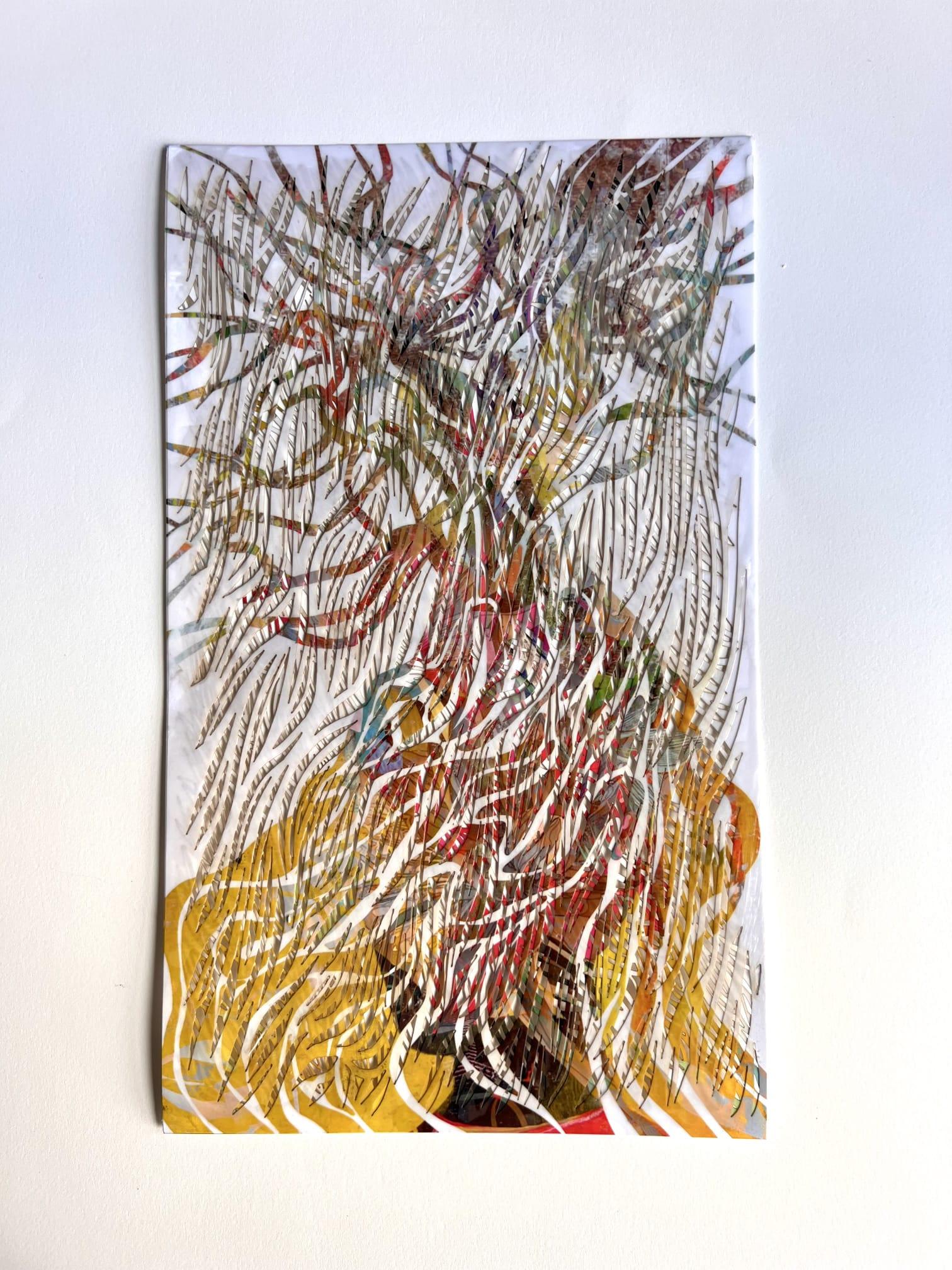
Marco Gallotta was born in Salerno in 1973. After initial training in Italy, he enriched his cultural background with international experiences that led him to the Fashion Institute of Technology in New York, where he earned a B.F.A. in Fashion Drawing, completing his education with a degree in marketing from Fordham University. From the beginning, he developed an independent and coherent artistic research, capable of combining the rigor of contemporary painting with a sensitive attention to the transience of matter and processes of transformation. His practice, which moves between painting, collage, paper cutting, and installation, creates surfaces that behave like living organisms: layered, engraved, open, in constant dialogue with light and the viewer’s gaze. It is not a mere representation of nature or the human face, but an investigation into the relationship between form, movement, and inner memory, where each work becomes a field of perceptual and sensory tension. Gallotta’s personal language finds its most distinctive expression in his use of paper, treated as sculptural material: he incises it with surgical precision, transforming it into portraits and
landscapes that open up to the surrounding space. Through the act of cutting, paper ceases to be a simple support and becomes a living material itself, capable of evoking both the fragility and strength of nature, the vital energy that transcends the image and leads to the essence of things. His works have been exhibited in major international contexts, from the Triennale di Milano to galleries across Europe and the United States, entering prestigious public and private collections. Critics have highlighted how his work progresses through slow and measured metamorphoses, where every surface preserves an ongoing process of transformation. In parallel, Gallotta has collaborated with brands and institutions such as Chanel, Nike, Vogue, Campari, Dolce & Gabbana, the New York City Metropolitan Transit Authority, and Radio City Music Hall, as well as with figures like Will Smith, Lady Gaga, Barack Obama, Spike Lee, Freddie Mercury, and Samantha Bee. His artistic research engages in a dialogue with the phenomenology of space while maintaining a distinctive personal signature, founded on a constant tension between interiority and external perception. The artwork thus becomes not only an aesthetic object but also an experiential device, inviting the viewer to recognize in the material the living trace of a continuously evolving process. It is precisely from this poetics of transformation that In the Garden of Flow takes shape—a project that does not physically recreate a natural garden but evokes it as an inner and symbolic space. Gallotta’s works, through cutouts, transparencies, and chromatic effects, become resonant spaces where three natural archetypes emerge—water, vegetation, and butterflies—which do not present themselves as decorative elements but as living metaphors of metamorphosis and the continuity of sensory experience. Water, with its mutable fluidity and reflective capacity, suggests the constant movement of inner life, memory that transforms and renews itself. Vegetation, with its organic and branching textures, evokes growth, the layering of time, and the possibility of regeneration. Butterflies, suspended between fragility and metamorphosis, embody the lightness of change and its inevitable transience, connecting the different dimensions of the garden into a single, continuous flow. These archetypes do not appear in mimetic form but as echoes and allusions that traverse the material of the works, inviting the viewer to recognize their own inner garden within them. The exhibition space thus becomes a sensory and mental ecosystem, a landscape in transformation where the visitor is no longer a mere observer but an active part of the flow of forms and perceptions. The exhibition does not simply offer an aesthetic experience but constructs a journey into inner contemplation, where art becomes a tool for listening and transformation. In this tension between nature and intimate experience, Marco Gallotta’s language finds its synthesis: transforming the garden into a landscape of thought, a place where the visible and the invisible intertwine in a continuous dance of form and meaning.
Works
19 works
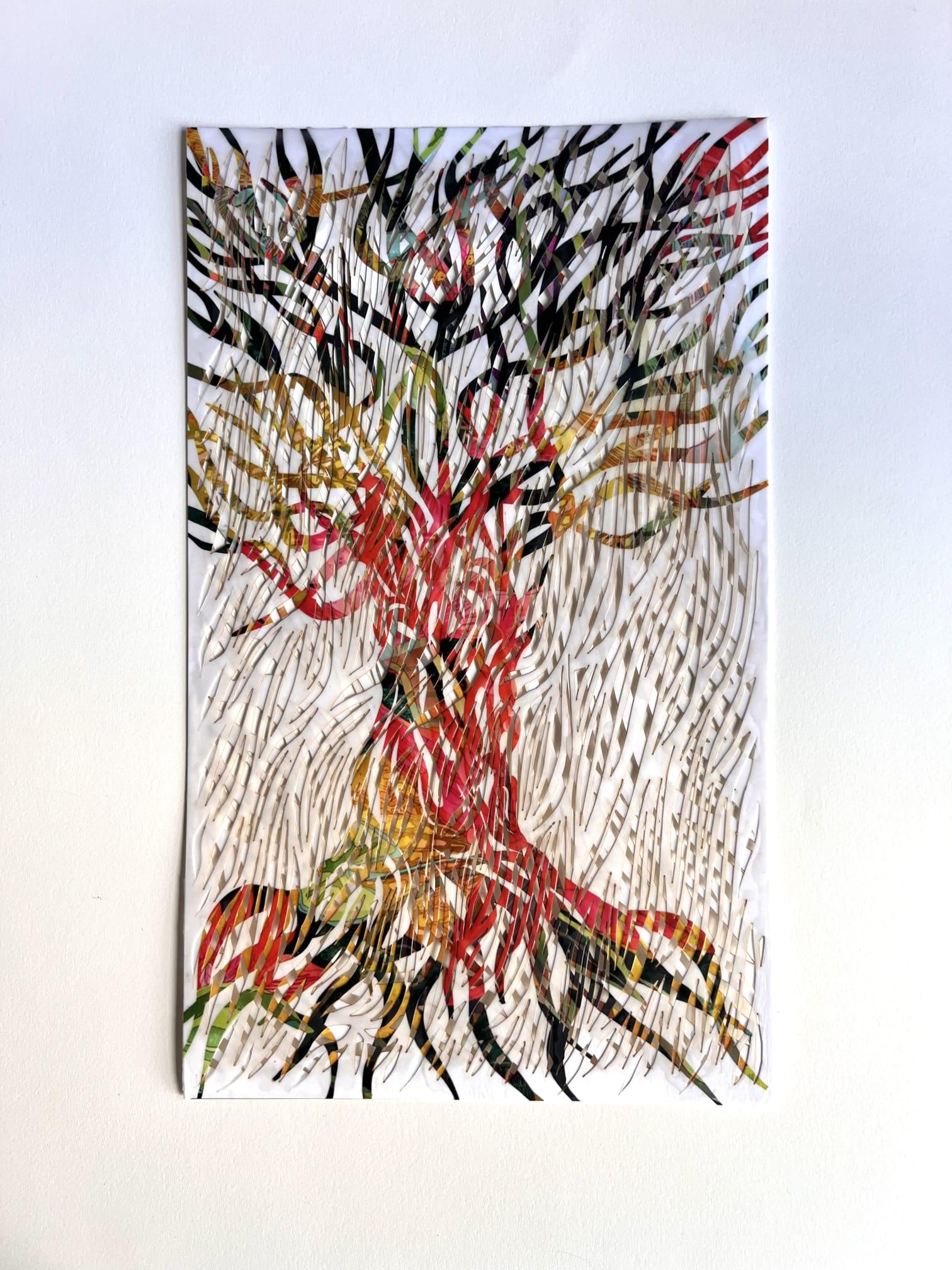
olivum 8, 2025
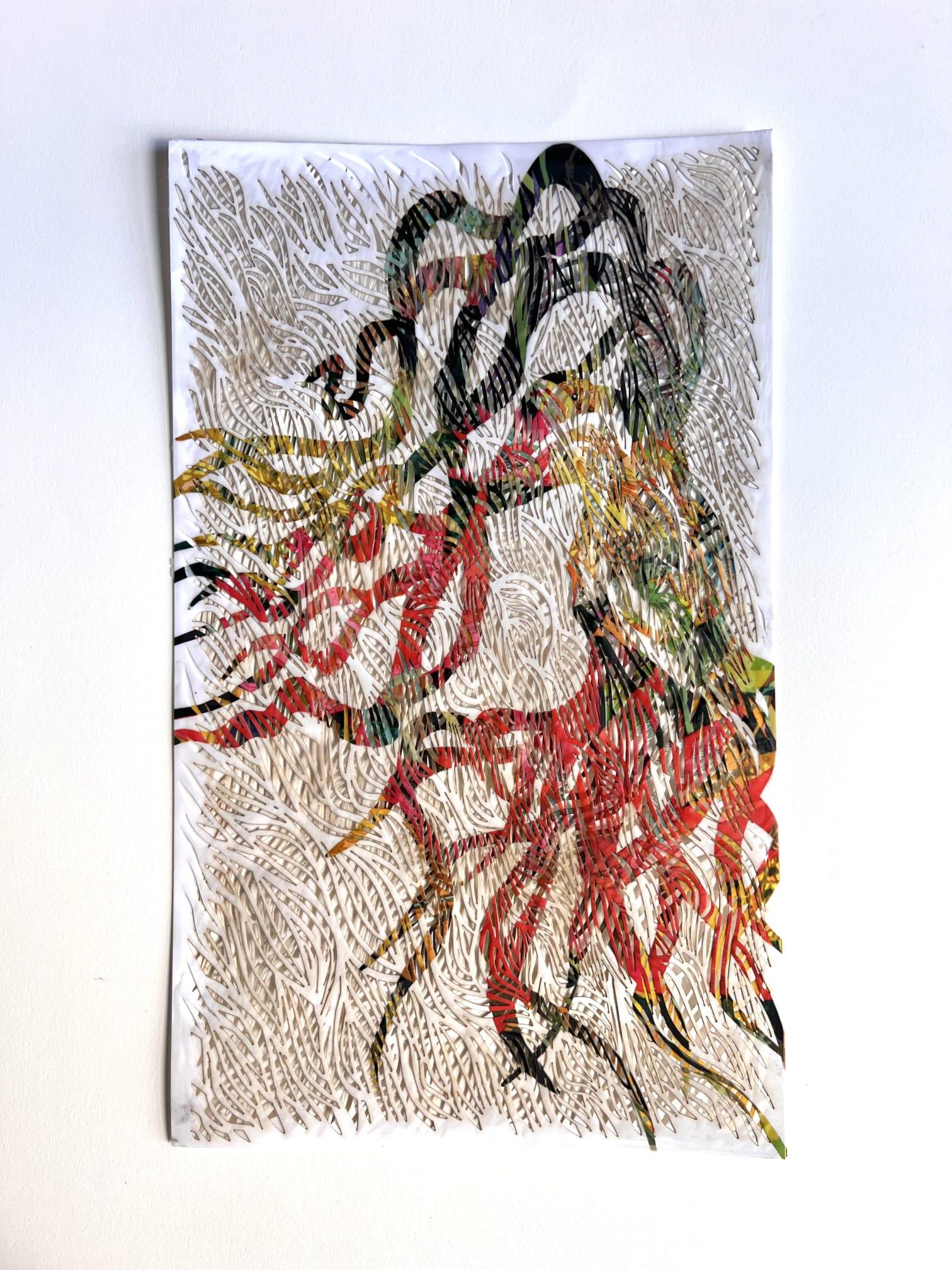
Olivum 7, 2025
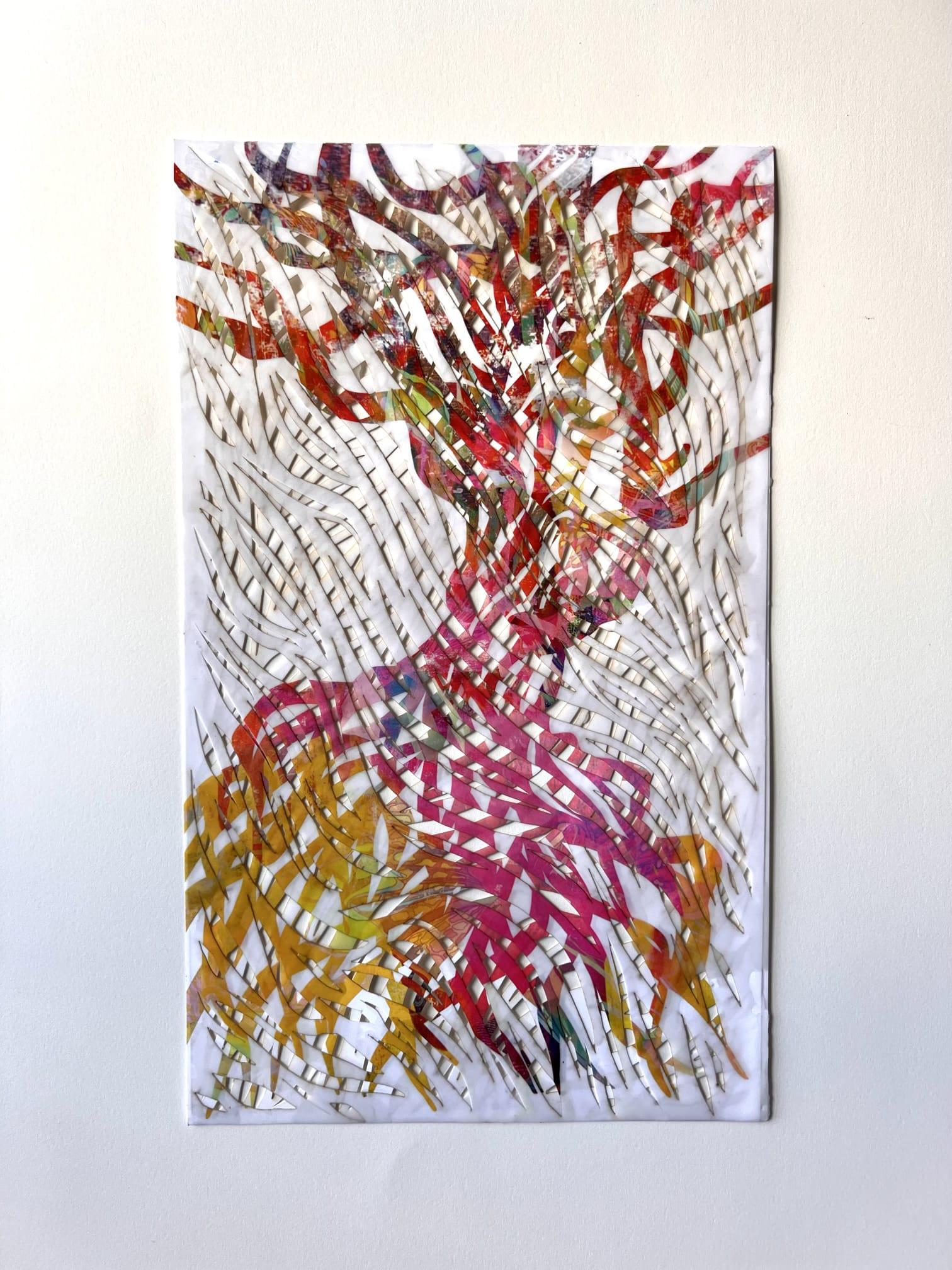
Olivum 6, 2025
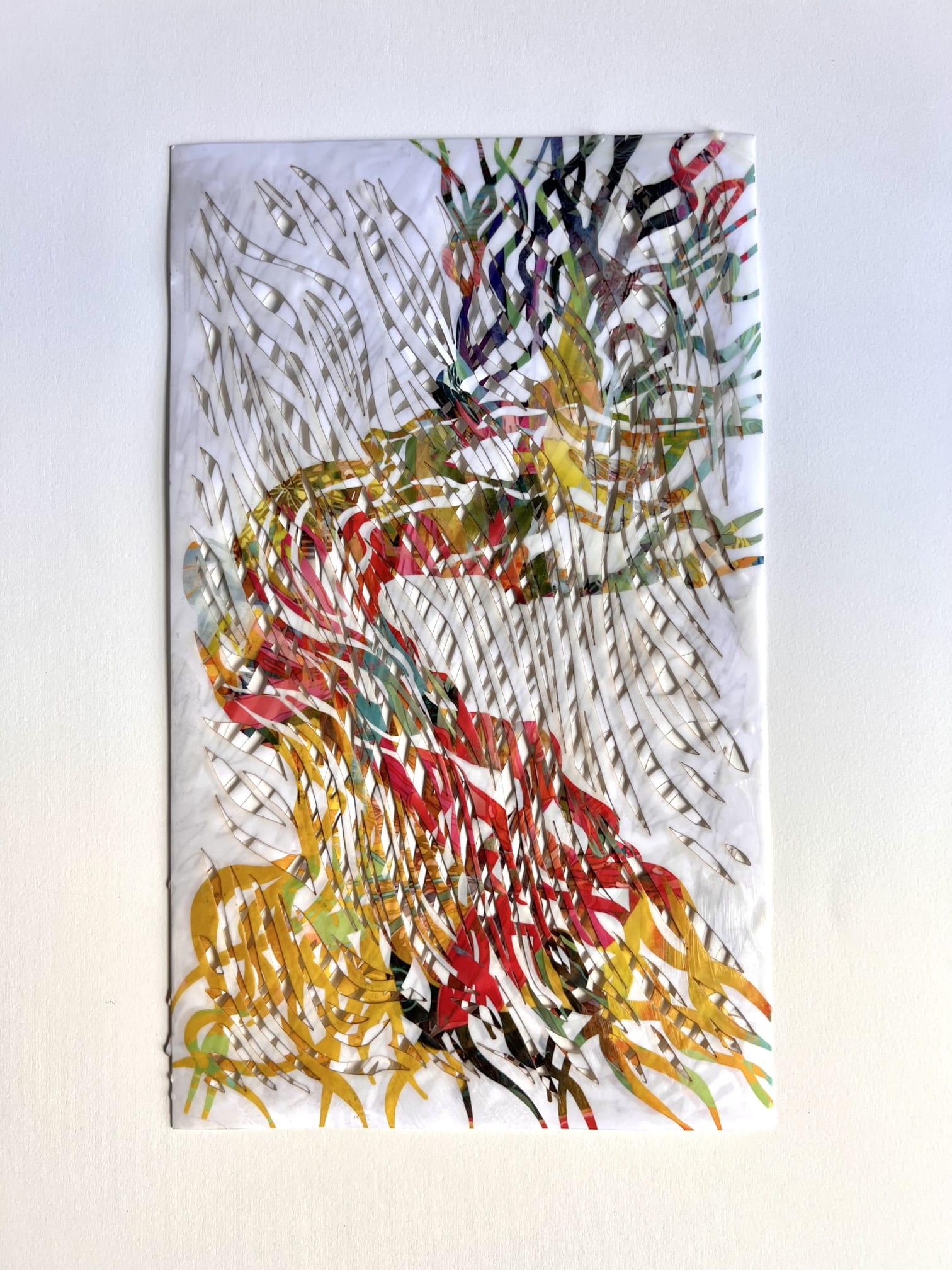
Olivum 5, 2025
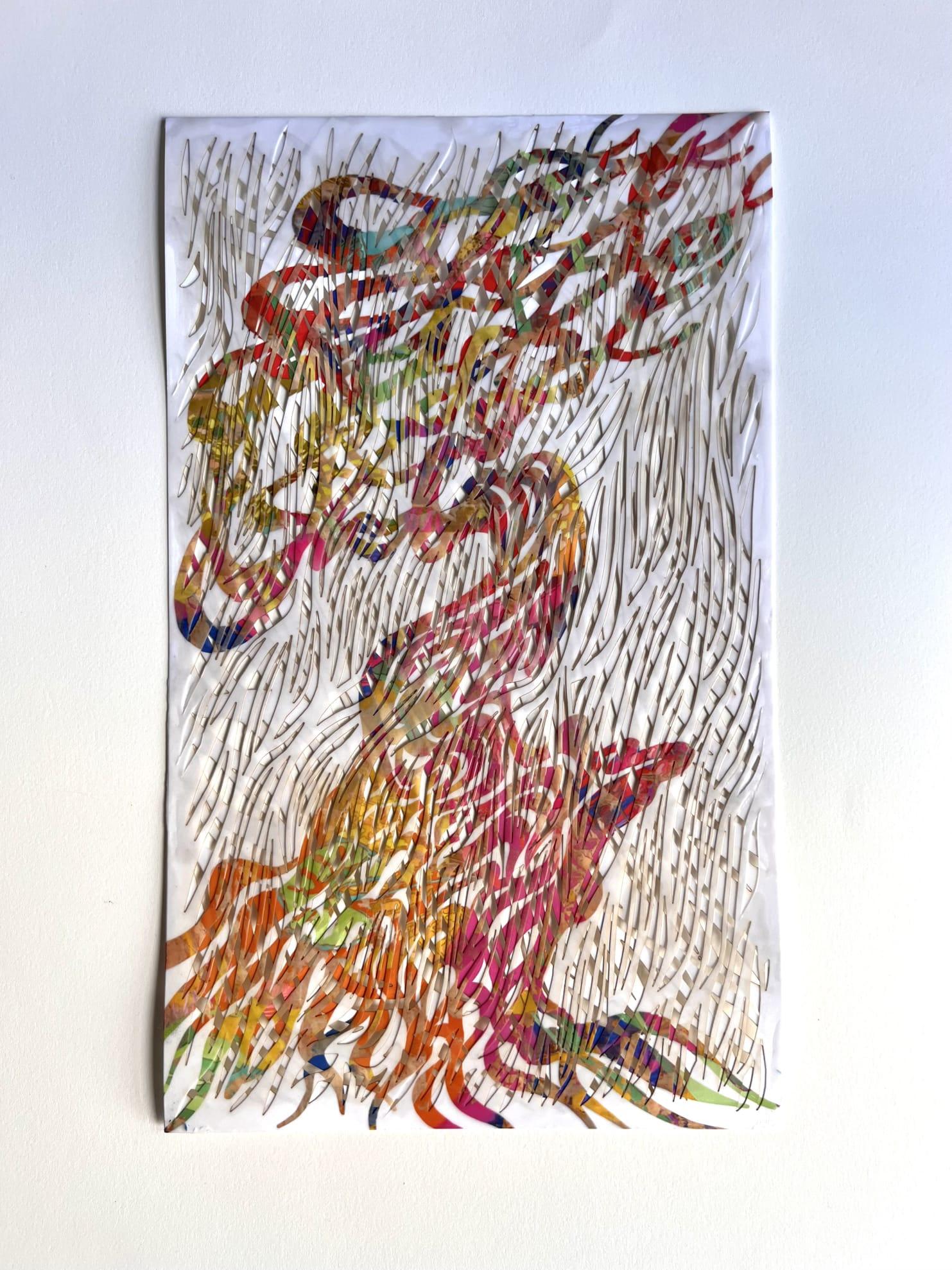
Olivum 4, 2025
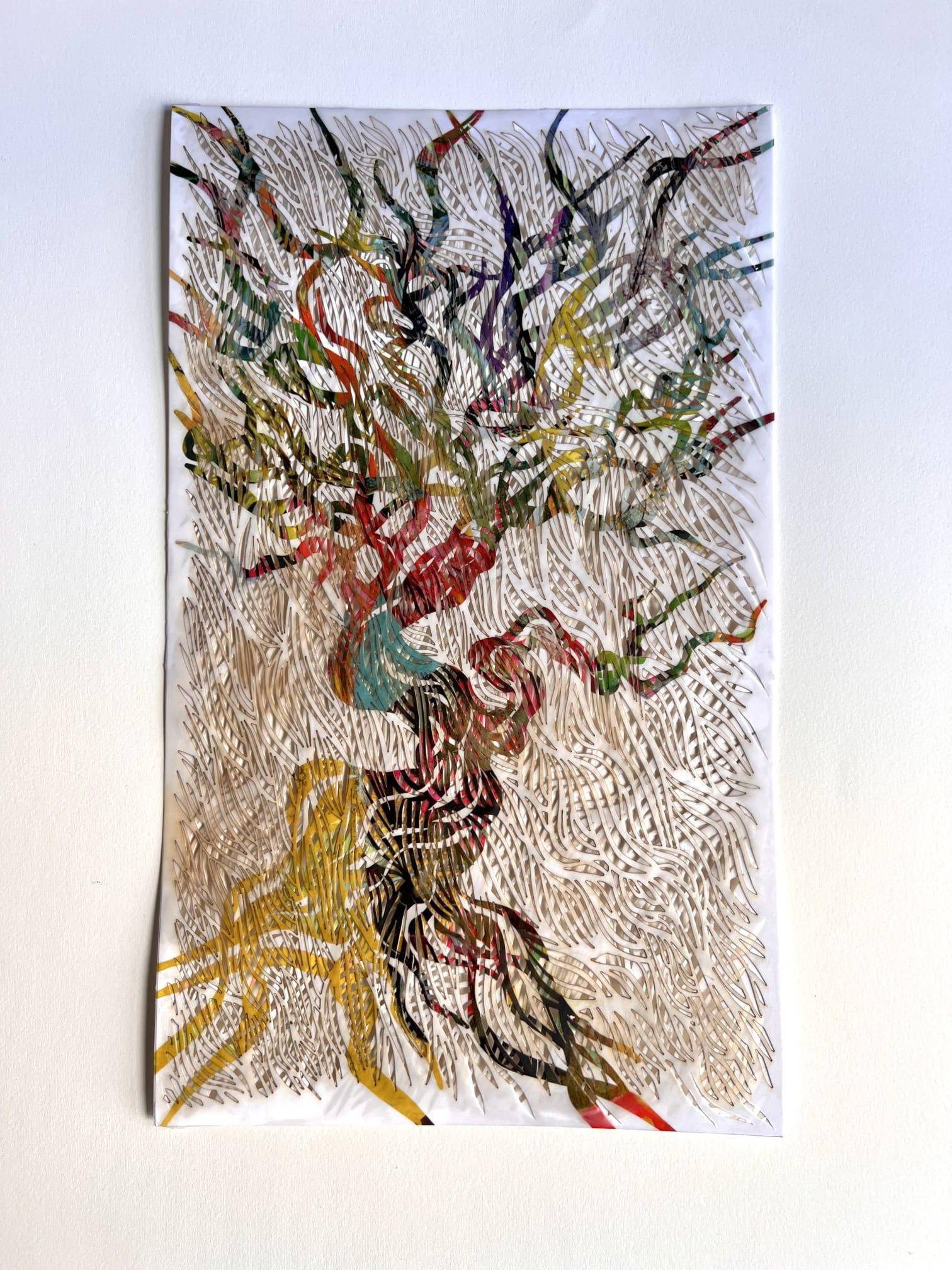
Olivum 3, 2025
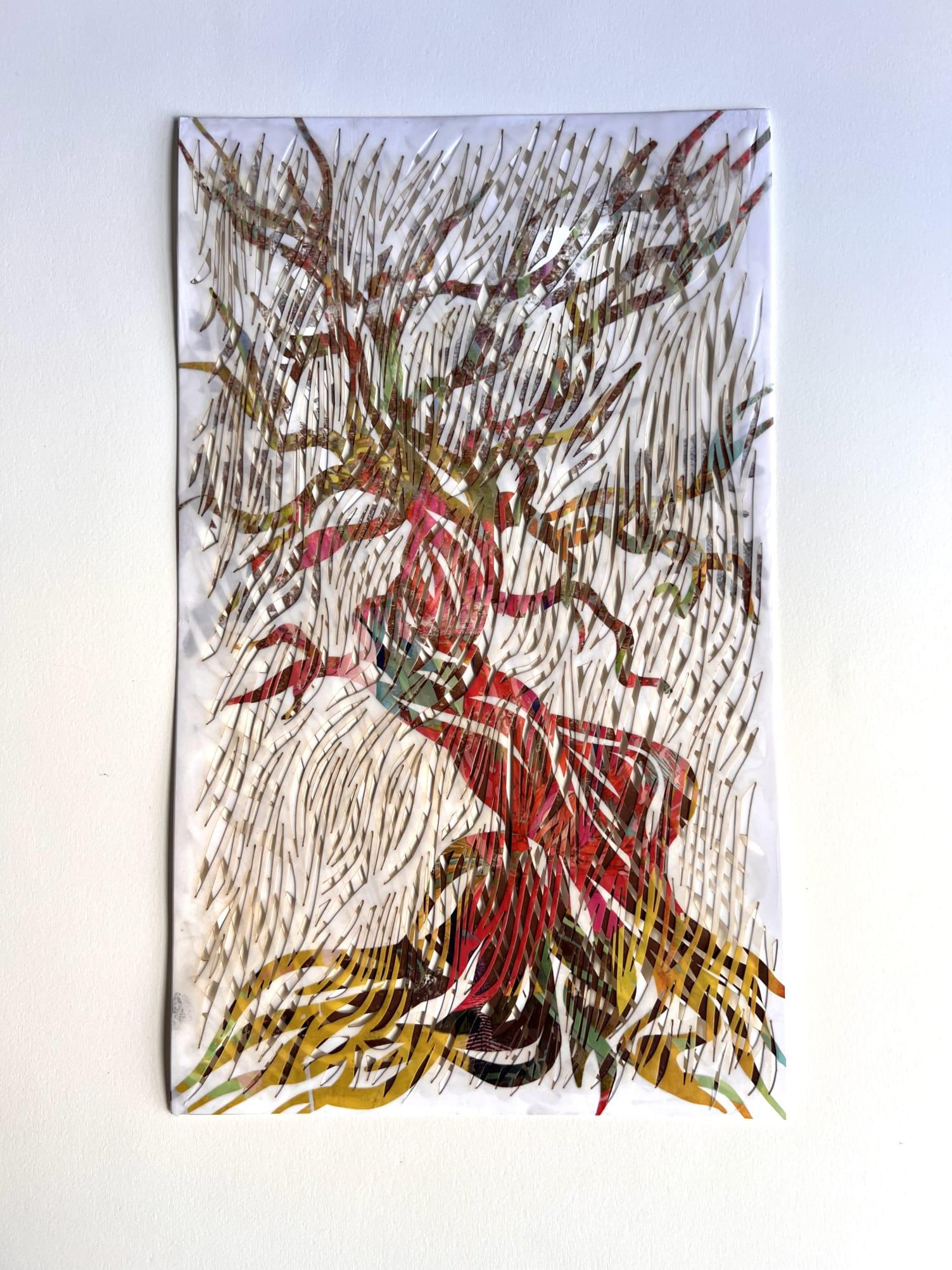
Olivum 2, 2025
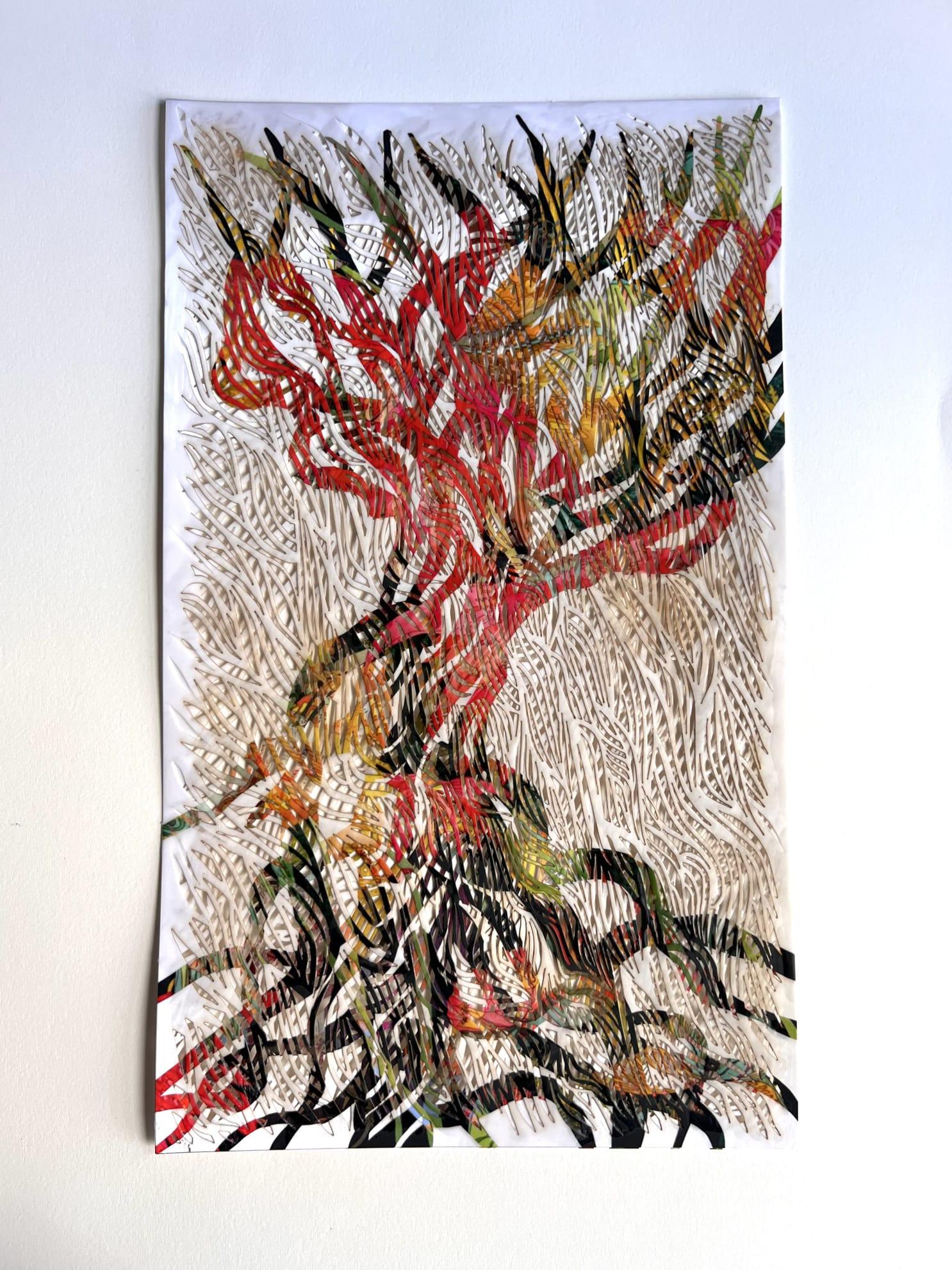
Olivum 1, 2025
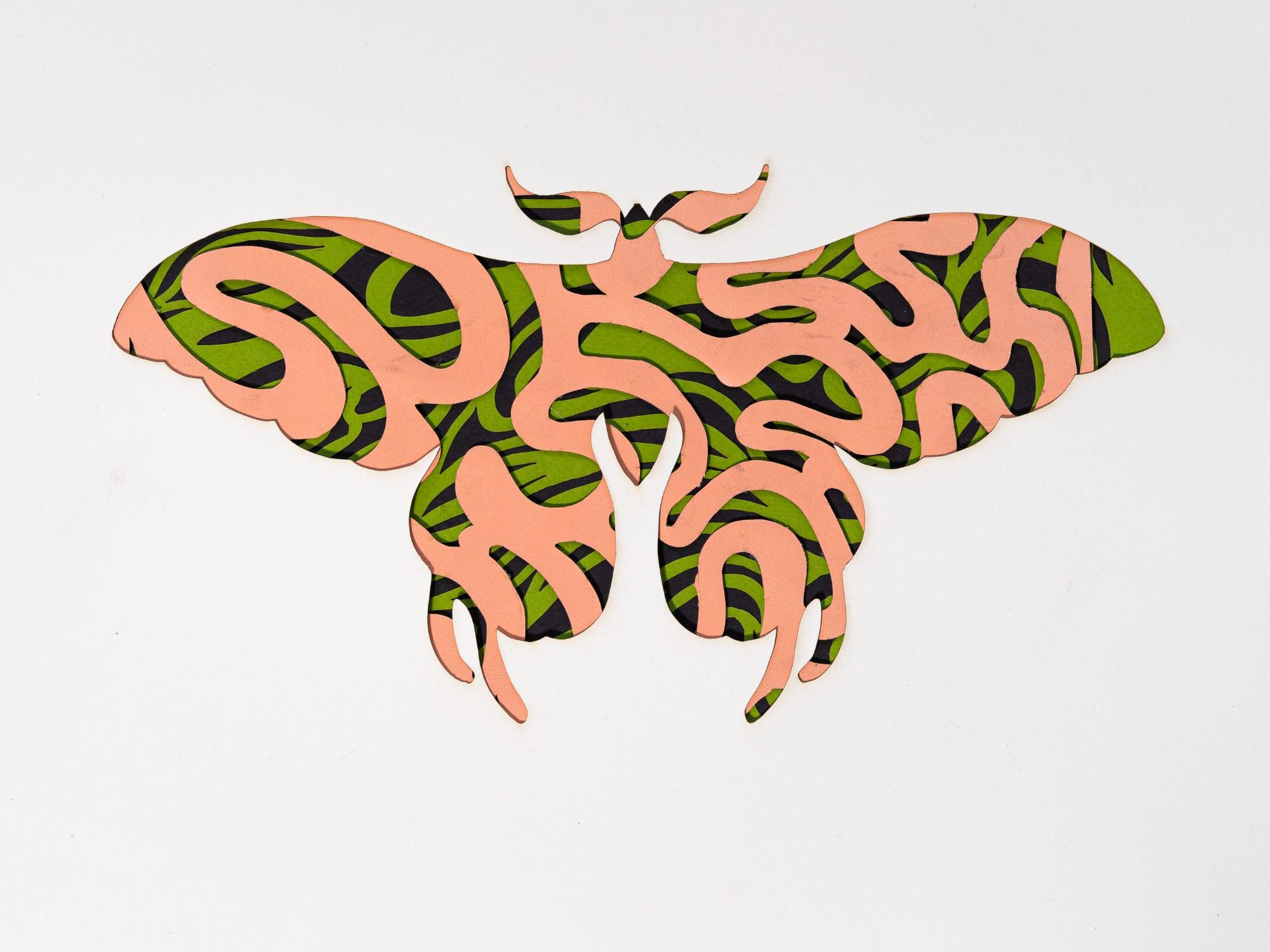
Beautiful Stage 16, 2023
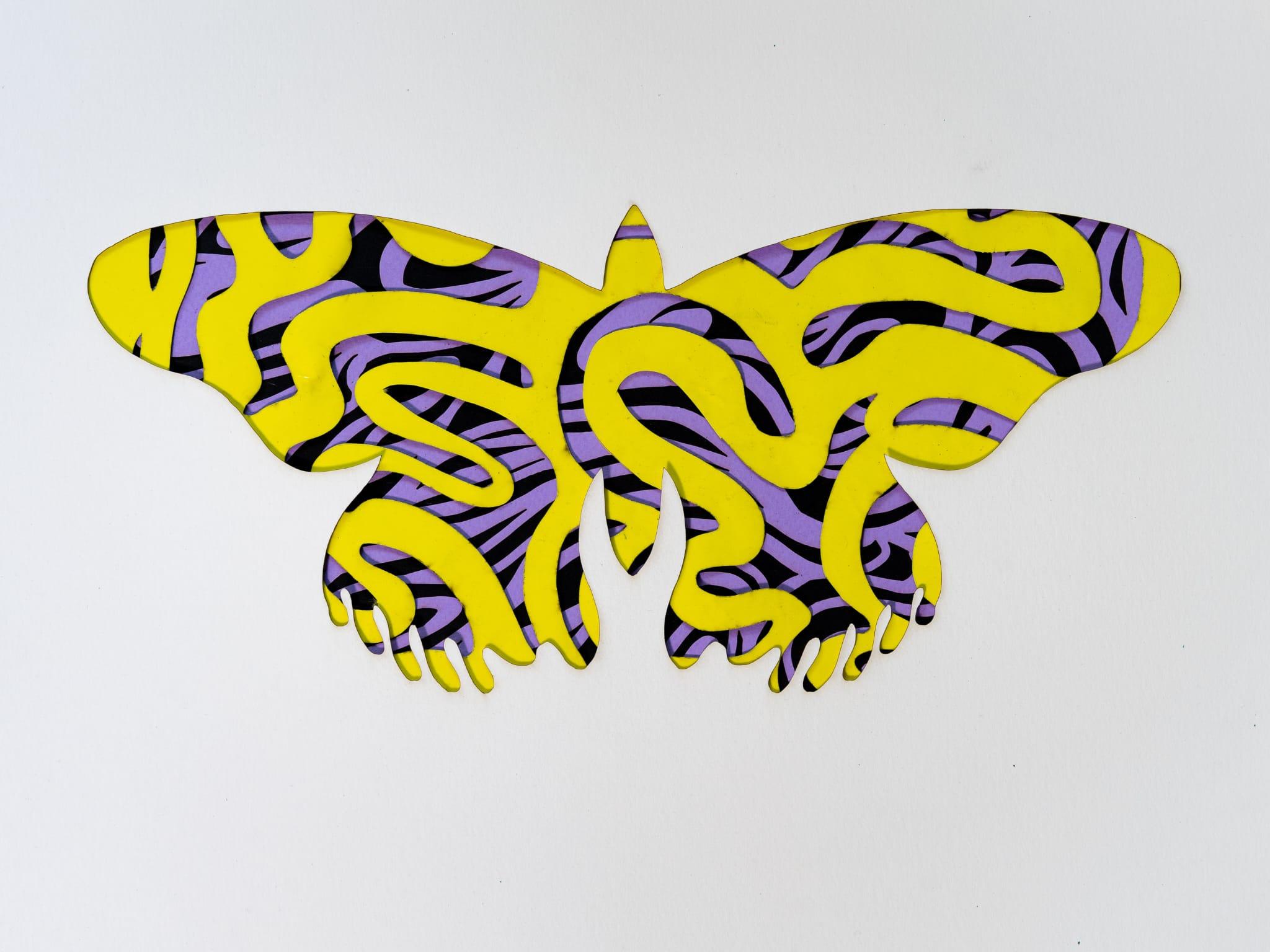
Beautiful Stage 15, 2023
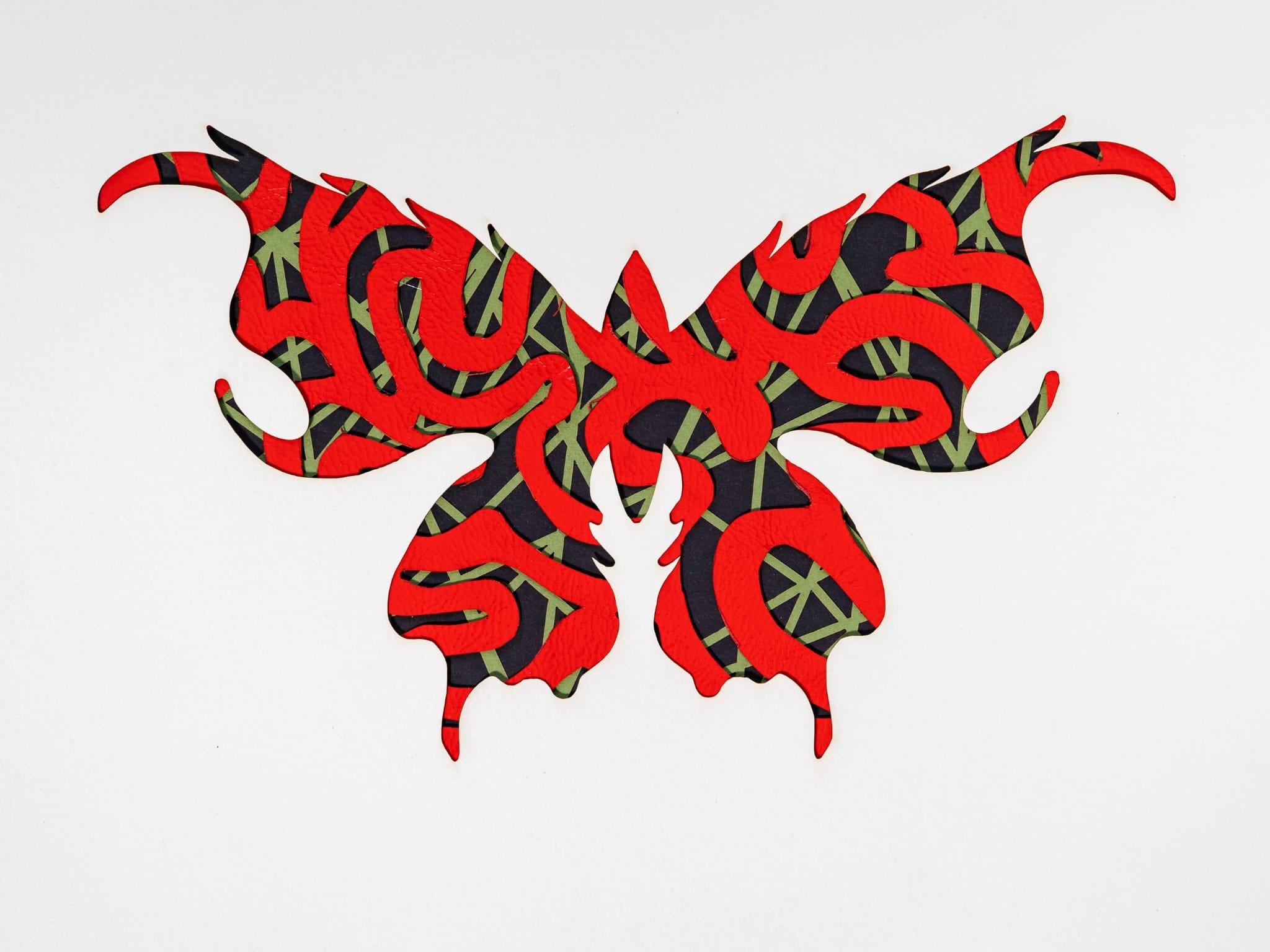
Beautiful Stage 13, 2023
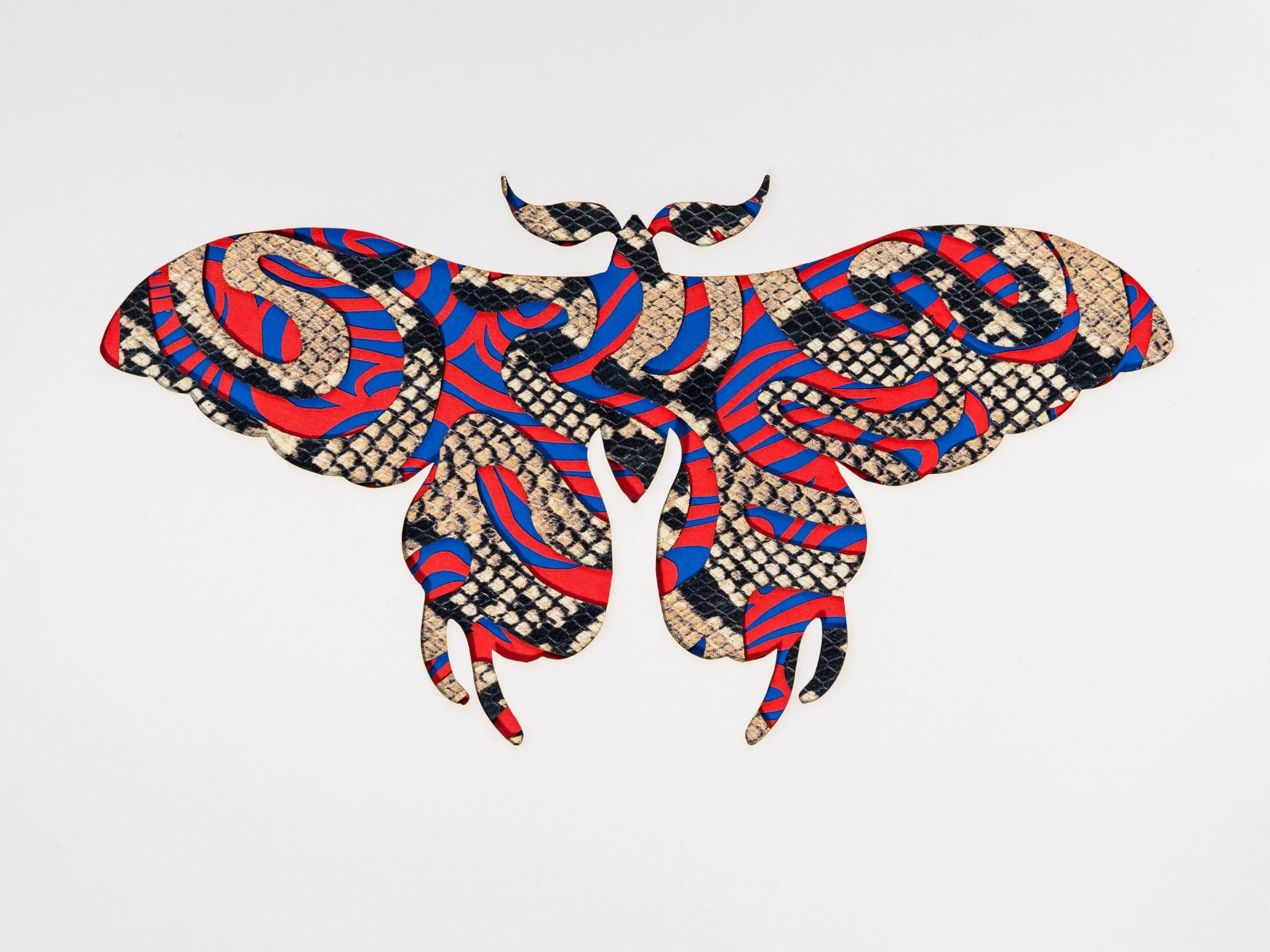
Beautiful Stage 12, 2023
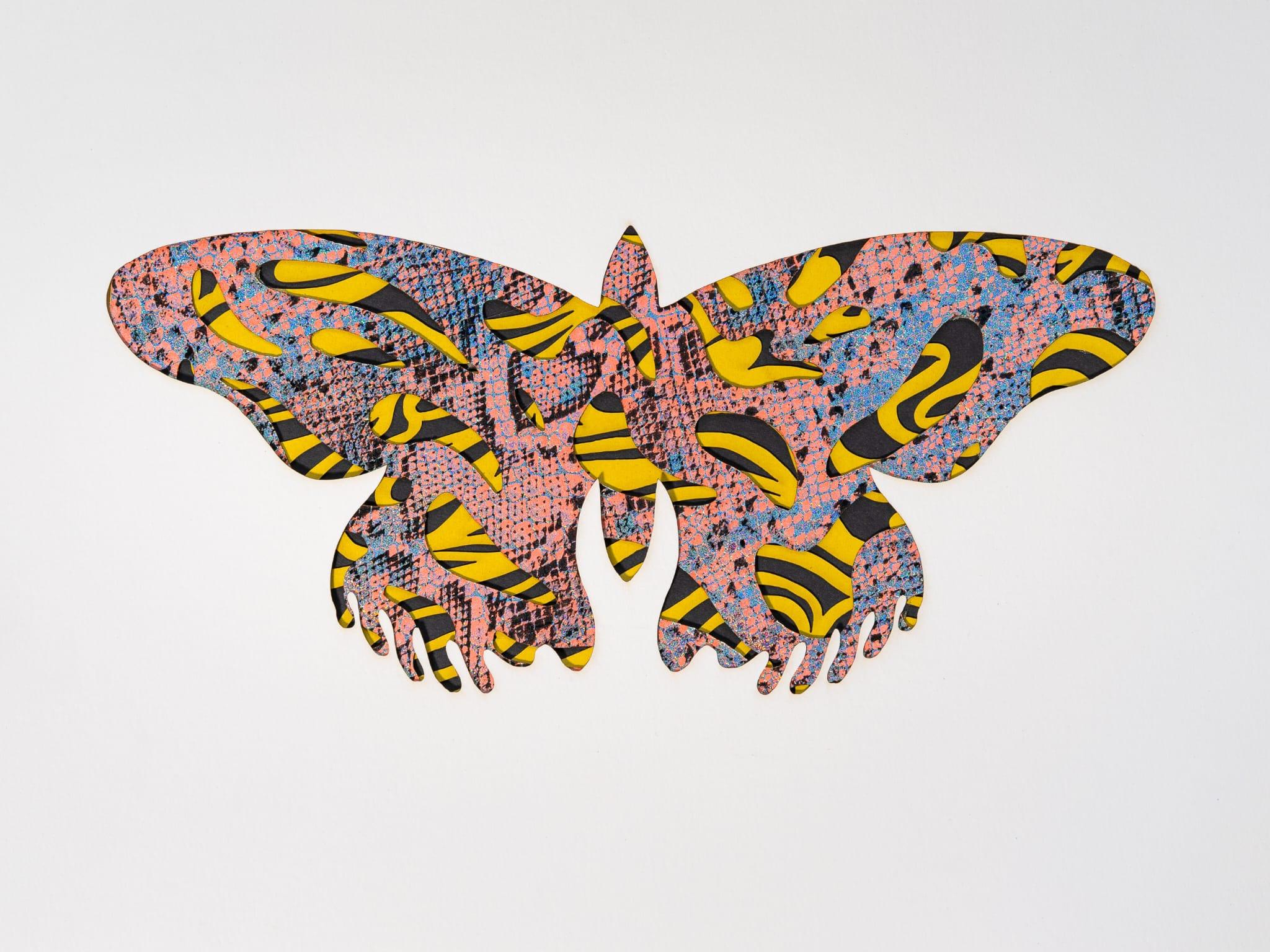
Beautiful Stage 11, 2023
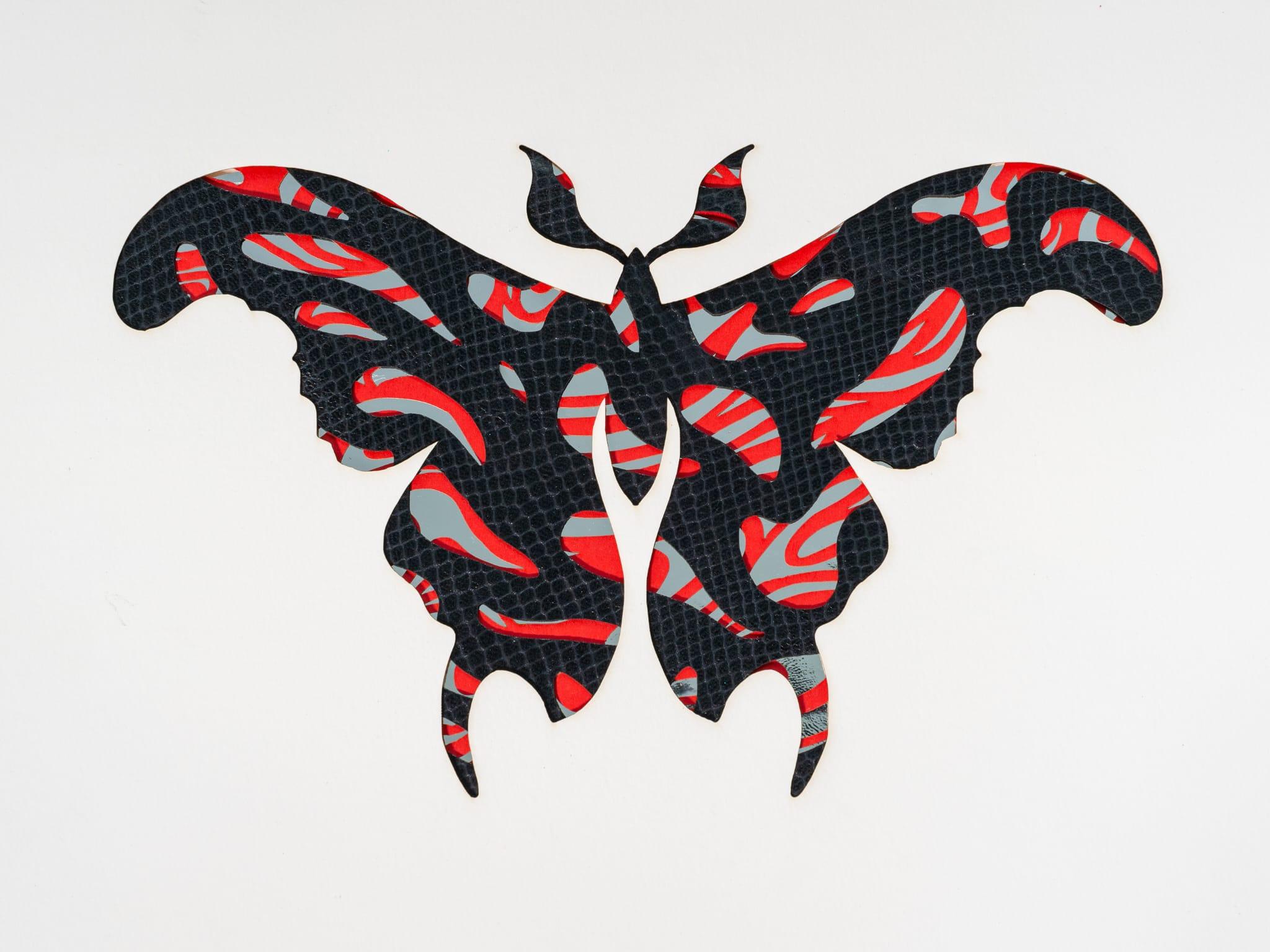
Beautiful Stage 9, 2023
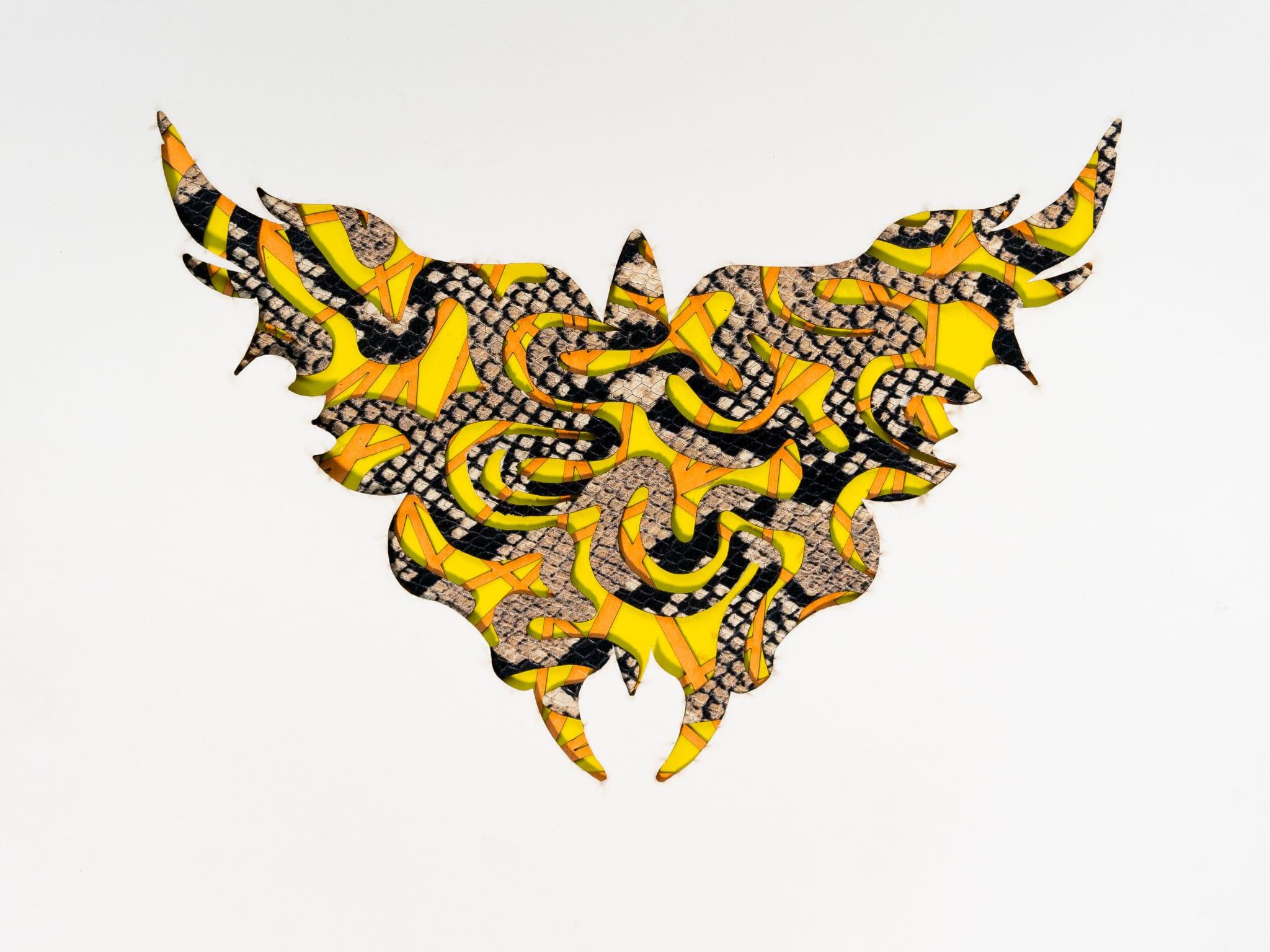
Beautiful Stage 8, 2023
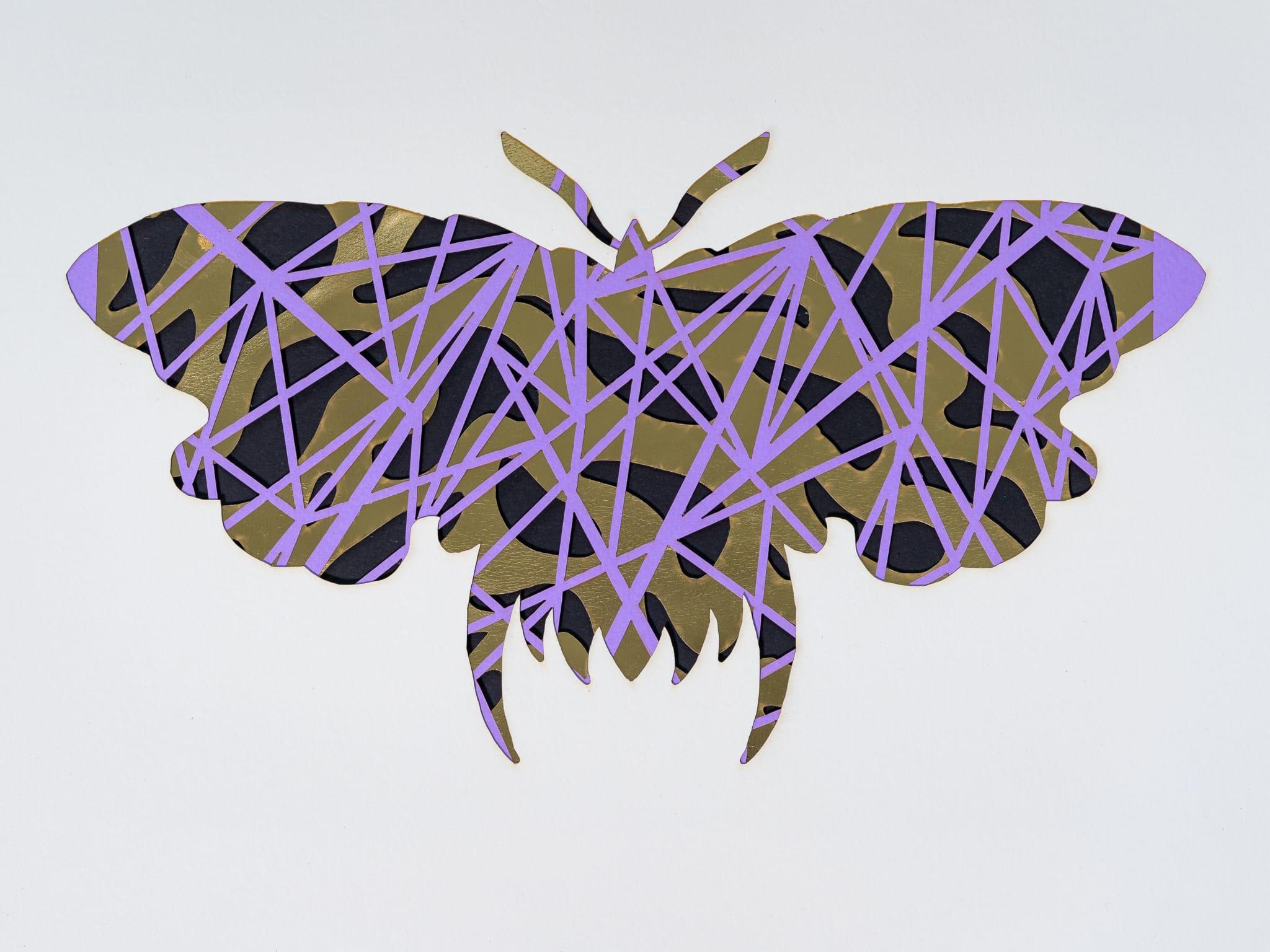
Beautiful Stage 7, 2023
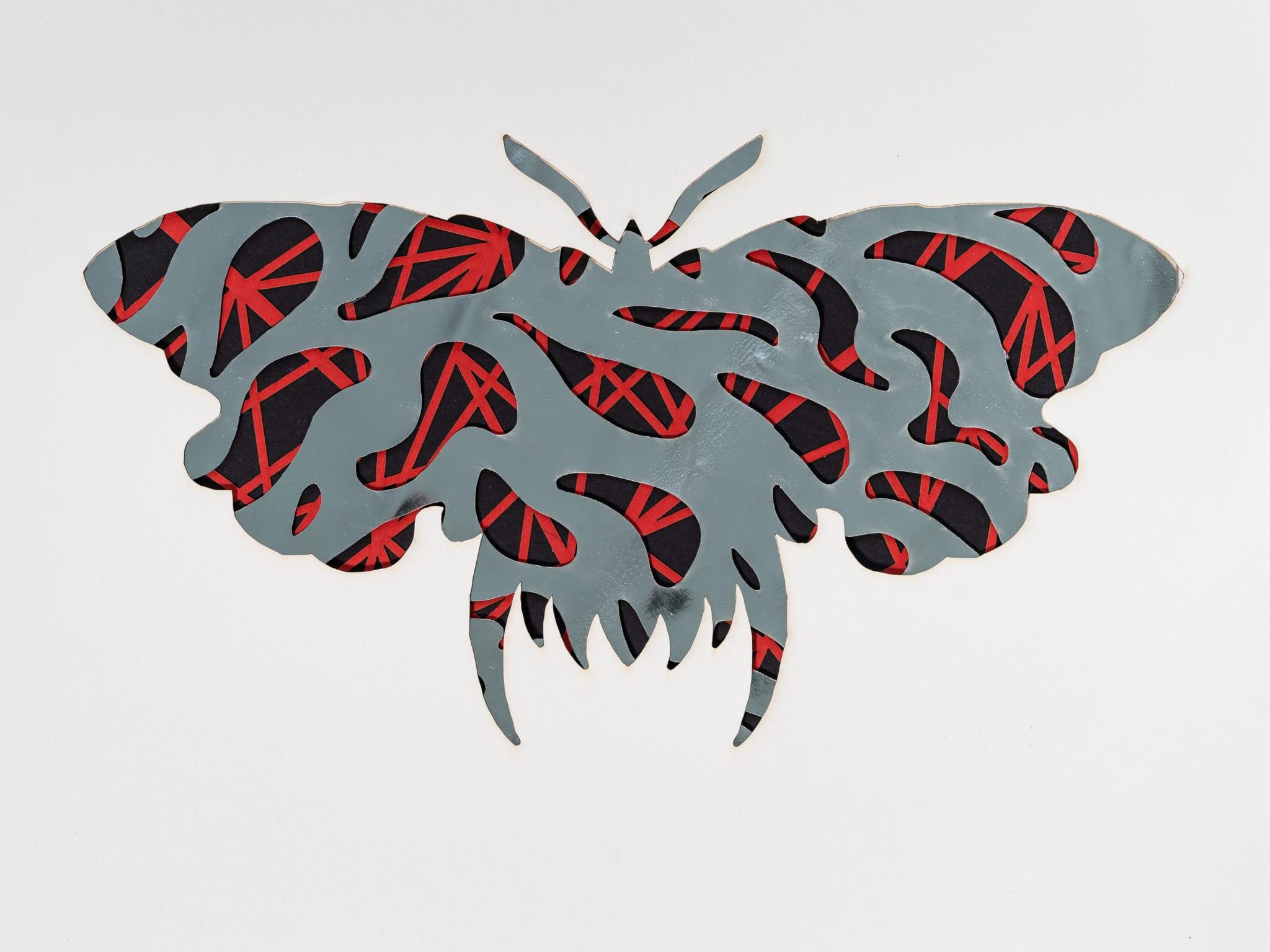
Beautiful Stage 5, 2023
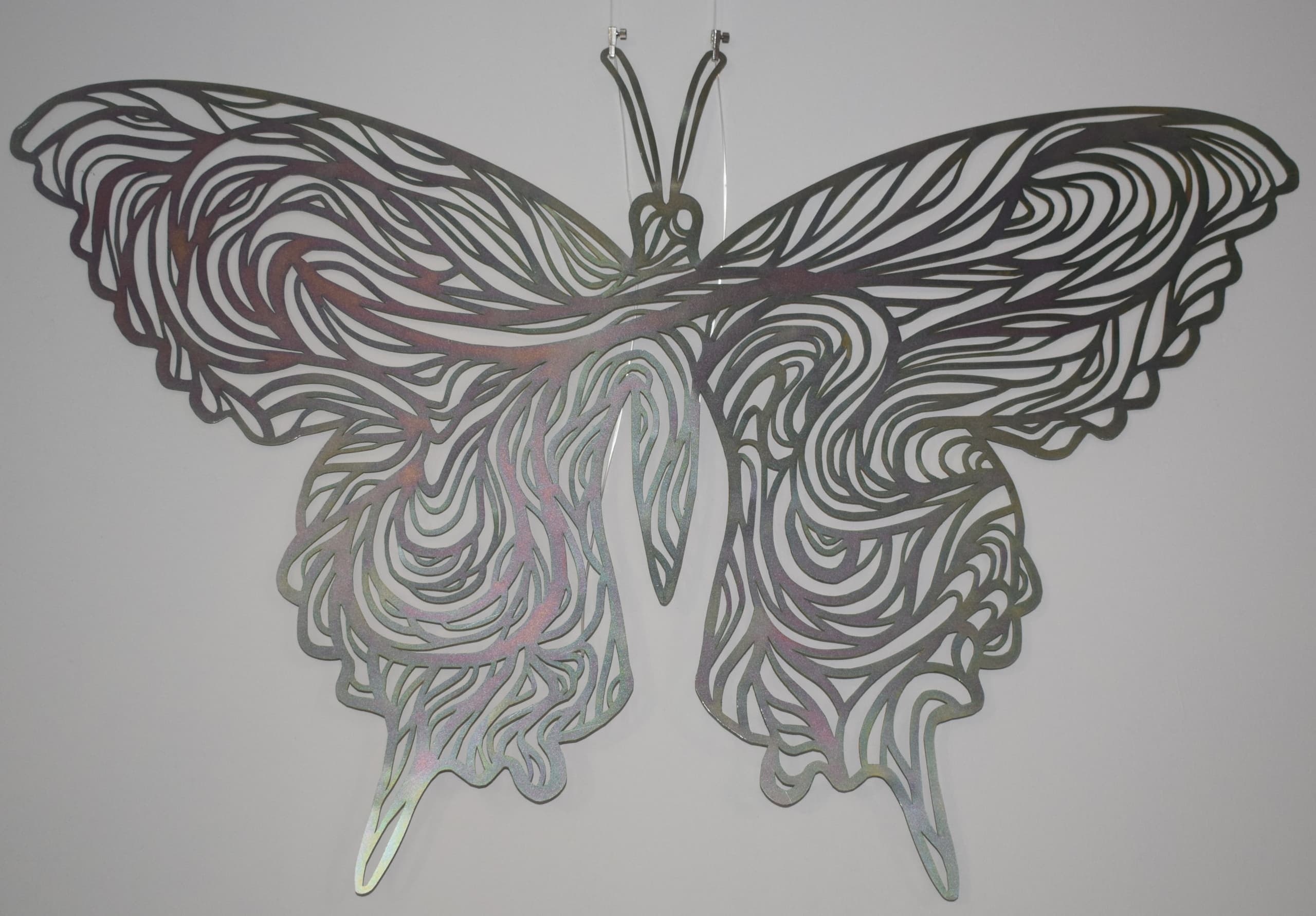
Butterfly, 2025